Treed Mountain Land Near Town
Fort Garland, CO 81133
Costilla County, Colorado
Lot Description
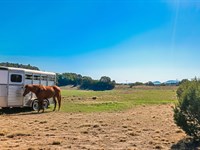
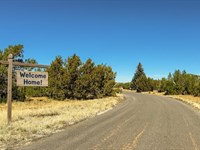
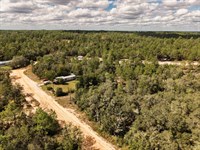
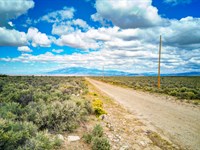
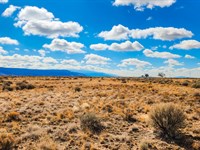
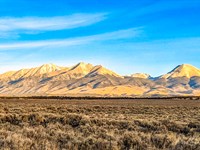
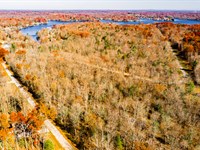
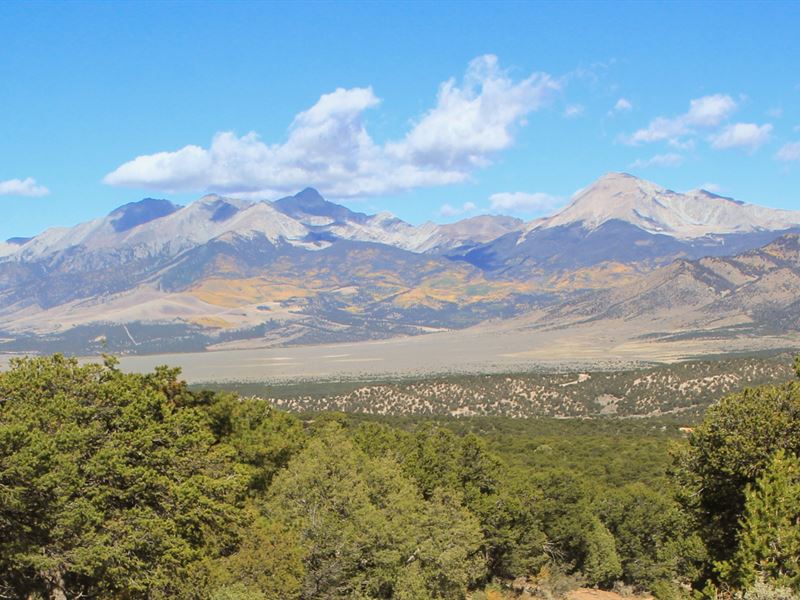
Five acres of tree-covered Colorado land where the air is crisp and the views stretch for miles. This property sits in the heart of the Sangre de Cristo Mountains, less than 10 miles from Fort Garland. Rolling terrain gives you privacy and panoramic mountain vistas. The 14,000-Foot peaks of Mt. Blanca stand to the north while you're surrounded by pinon pines and open sky. Good road access means you can get here easily, but once you arrive, you're a world away.
Elk roam these mountains by the thousands. Mountain Home Reservoir is minutes away for trout fishing and boating. The Great Sand Dunes National Park is a short drive, or you can cool off at Zapata Falls. At night, the Dark Sky Heritage designation means you'll see more stars than you thought possible. With 280 sunny days a year and wildlife in your backyard, there's always something happening.
This property is priced to sell.. Over $10,000 less than one of the nearby lots with similar features. Build an off-grid cabin. Set up camp for long weekends. Make it your private getaway where your only neighbors are trees and the occasional elk herd. No HOA. No restrictions worth mentioning. Just you, the land, and mountain views that go on forever.
We are open to owner financing as well - here is what that would look like:
- Total Money Down: $599 ($349 downpayment + $250 closing cost)
- Monthly: $284/Month for 84 months
See Info below.
- Subdivision: Sangre De Cristo Ranches
- State: Colorado
- County: Costilla
- Size: 5.094 Acres
- Parcel: 70251840
- Legal Description: S.D.C.R. Unit M 3 Blk 352 Lot 7851
- Approximate Lat/Long Coordinates: 37.4467, -105.3061
- Annual Taxes: Approximately $426.92/Year
- Zoning: Estate Residential
- For a site built home, you need a 600sqft minimum footprint.
- Mobile homes are Allowed.
- You can camp for 14 days (every 3 months)
- Temporary RV Occupancy permit available for up to 180 days if a well has been permitted or cistern installed and a septic or onsite waste management system has been installed ($250 fee - good for 60 days at a time while building, renewable).
- Zoning office is open Monday through Thursday and can be contacted at to answer any questions.
- HOA/Poa: No. Minor restrictions, but no HOA to enforce them
- Improvements: None
- Access: Marenman Rd
- Water: Would be by well or holding tank
- Sewer: Would be by Septic
- Utilities: Would be by Alternative
Information presented in this listing is deemed accurate but is not guaranteed. Buyers are advised to conduct their own due diligence and verify all details independently.
---
Location And Setting Overview
- Prime Sangre de Cristo Mountain Position: Your 5.094-Acre sanctuary sits in one of the most scenic subdivisions in all of southern Colorado. Sangre de Cristo Ranches spreads across the eastern foothills where the San Luis Valley meets the towering Sangre de Cristo Mountain Range. This particular parcel in Unit M, Block 352 occupies elevated terrain that catches morning light across the peaks and watches the sun paint those same mountains crimson at sunset. The Spanish explorers who named this range knew what they were seeing when they called it the Blood of Christ Mountains.
- Fort Garland Gateway: Less than 10 miles separates your property from the historic community of Fort Garland (9 miles northeast). This small but well-equipped town sits at the crossroads of Highway 160 and Highway 159, giving you easy access to anywhere you need to go. Fort Garland offers fuel, groceries, a few solid restaurants serving authentic southwestern cuisine, and the kind of neighborly atmosphere that disappeared from most American towns decades ago. The famous Fort Garland Museum preserves the military post where Kit Carson served his final command, and the town maintains that frontier character without trying too hard about it.
- Elevation and Terrain Advantages: At approximately 8,400 feet above sea level, this property sits in that sweet spot between the high desert valley floor and the alpine zones above. Rolling terrain covered in pinon pine and juniper woodland creates natural privacy between you and any neighbors. The land slopes gently enough for easy building while providing enough contour to tuck a cabin into the landscape or position a home for maximum views. Several potential building sites offer different orientations depending on whether you prefer watching the sunrise over the Sangre de Cristos or the sunset across the vast San Luis Valley to the west.
- Road Access and Year-Round Reach: Marenman Road provides direct access to your property via county-maintained roads. Unlike some remote mountain parcels that become inaccessible half the year, Sangre de Cristo Ranches benefits from a reasonable road network that the county keeps passable. A high-clearance vehicle makes life easier during mud season and after heavy snows, but this is not wilderness access that requires specialized equipment or heroic efforts. You can drive a regular pickup truck to your land most of the year with reasonable care.
- The San Luis Valley Perspective: Looking west from your property, the San Luis Valley stretches toward distant horizons in one of the most dramatic viewsheds in the American West. This high-altitude valley spanning over 8,000 square miles ranks as the largest alpine valley in North America. The sheer scale of the landscape takes some getting used to. Distances that look like a short walk turn out to be miles, and the clarity of mountain air lets you see details on peaks fifty miles away. Your property perches on the eastern edge of this immense bowl, backed by mountains and facing into endless sky.
- Dark Sky Country: Light pollution simply does not exist out here. The nearest significant town is Alamosa (45 miles west), and even that modest city of 10,000 people barely registers against the darkness. On clear nights, the Milky Way arcs overhead with an intensity that city dwellers have never witnessed. Meteor showers put on genuine shows rather than the faint streaks visible through urban haze. Amateur astronomers travel from across the country to set up telescopes in this region. You get those skies every single night from your own property.
- Climate Comfort Zone: Sitting at over 8,000 feet elevation means you escape the brutal summer heat that punishes lower elevations. July afternoons might reach the mid-70s while nights drop into the 40s, letting you sleep with windows open and blankets pulled up. The semi-arid high desert climate delivers around 280 days of sunshine annually, with most precipitation falling as afternoon thundershowers in summer and light snow events in winter. This is not harsh mountain weather that buries you for months. The sun works hard at this altitude, melting snow quickly and keeping the landscape accessible.
---
Recreational Opportunities
- Mountain Home Reservoir Fishing: Less than 30 minutes from your property, Mountain Home Reservoir holds 19,500 acre-feet of cold mountain water stocked regularly with rainbow trout and brown trout. Local anglers pull fish in the 14 to 20-inch range with enough consistency to keep them coming back. The reservoir offers boat ramps for those who want to troll the deeper water and plenty of shoreline access for bank fishing. Early mornings before the wind picks up provide the best action, with trout rising to dry flies as mist lifts off the surface. Primitive camping sites around the reservoir let you make a full weekend of it.
- Sanchez Reservoir Adventures: About 45 minutes south, Sanchez Reservoir provides even more fishing variety with northern pike, walleye, and perch joining the trout populations. This larger body of water accommodates water sports beyond fishing. Boaters, kayakers, and even water skiers use the reservoir during summer months. The pike fishing attracts anglers looking for aggressive predator fish that hit hard and fight harder. Fall fishing when the water cools down produces some of the best action of the year.
- Great Sand Dunes National Park: One of America's most unusual landscapes sits about an hour north of your property. The Great Sand Dunes rise 750 feet above the valley floor, the tallest dunes in North America dropped inexplicably at the base of the Sangre de Cristo Mountains. Sandboarding and sand sledding down these massive slopes provides thrills without lift tickets. During late spring and early summer, Medano Creek flows along the dune base creating a beach experience at 8,000 feet elevation. The contrast of desert sand against snow-capped peaks makes this place look like several different planets merged into one location.
- Zapata Falls Hike: A short 0.9-Mile trail leads to Zapata Falls, a 25-foot waterfall hidden in a rocky grotto carved into the mountainside. The hike requires wading through shallow water to reach the falls, adding adventure to the experience. Winter transforms the falls into a dramatic ice sculpture that draws photographers and ice climbers. Spring runoff makes the falls thunder with snowmelt. This accessible attraction sits less than an hour from your property and never gets old no matter how many times you visit.
- Fourteener Access: The Sangre de Cristo Range contains some of Colorado's most impressive 14,000-Foot peaks, and several stand within striking distance of your land. Blanca Peak rises to 14,345 feet as the fourth-highest mountain in Colorado, dominating the skyline north of your property. Kit Carson Peak, Crestone Peak, Humboldt Peak, and Challenger Point all offer summit experiences for those willing to earn them. These mountains see far fewer crowds than the Front Range fourteeners near Denver, giving you a more authentic climbing experience without the parade of hikers you find on better-known peaks.
- Sangre de Cristo Wilderness: Over 220,000 acres of designated wilderness spreads through the high country east of your property. No motorized vehicles, no development, no crowds. Just trails leading into alpine lakes, meadows thick with wildflowers in summer, and the kind of quiet that lets you hear your own heartbeat. Backpacking trips can stretch for days without crossing a paved road. Day hikes access glacial cirques where snow lingers into August. This wilderness sits close enough that you can be on trail within an hour of leaving your property.
- River Recreation on the Rio Grande: The Rio Grande flows through the San Luis Valley about 15 miles west of your property, offering float trips, kayaking, and fishing along its course. Gold Medal fishing sections hold trophy trout that test the skills of serious anglers. The river provided the lifeblood of civilization in this valley for centuries, and it continues offering recreation to those who appreciate moving water. Several outfitters in the region provide guided trips for those new to river fishing or floating.
- Wolf Creek Ski Area: When winter arrives, Wolf Creek Ski Area about two hours southwest receives over 430 inches of snow annually. This is not marketing hype. Wolf Creek genuinely sees some of the deepest consistent powder in Colorado. The ski area keeps prices reasonable compared to the fancy resorts, and the snow quality rivals anything in the state. Locals who live in the San Luis Valley consider Wolf Creek their home mountain, and the drive through scenic Wolf Creek Pass adds to the experience.
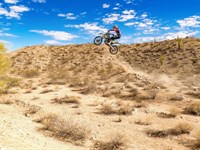
- Backcountry Exploration: Beyond designated trails and developed recreation sites, millions of acres of BLM and National Forest land surround your property in every direction. These public lands welcome hiking, camping, mountain biking, horseback riding, and motorized recreation in designated areas. Off-highway vehicle trails crisscross the backcountry, leading to old mining camps, scenic overlooks, and hidden corners that most people never find. The freedom to roam public land without asking permission represents one of the great advantages of living in the rural West.
---
Wildlife And Hunting
- The Trinchera Elk Herd: Game Management Unit 83 encompasses most of Costilla County including your property, and this unit holds one of the largest elk herds in Colorado. The Trinchera herd numbers an estimated 16,000 animals, providing both incredible wildlife viewing and outstanding hunting opportunities. During September and early October, bull elk bugle across the mountains in their annual rut. That sound echoing through the pinon pines while you drink morning coffee on your own land connects you to something ancient and wild that most Americans will never experience.
- Mule Deer Abundance: Mule deer populations thrive throughout the Sangre de Cristo foothills, and you will see them regularly from your property. Dawn and dusk bring the deer out to feed, their large ears rotating like radar dishes as they monitor for danger. Bucks carrying impressive antler racks move through during fall months, and doe groups with fawns frequent the area from late spring through summer. These are not suburban deer habituated to people. They remain properly wild while still allowing observation by those who move quietly and patiently.
- Pronghorn on the Flats: The sagebrush flats and grasslands of the valley floor support healthy pronghorn antelope populations. These fastest land animals in North America evolved their speed on these exact landscapes over millions of years. Watching a pronghorn herd run full out across the open ground provides wildlife entertainment you cannot find in most of America. Pronghorn hunting in this region offers a unique western experience completely different from the mountain hunting for elk and deer.
- Predator Presence: Coyotes provide the evening soundtrack throughout Costilla County, their howls and yips echoing across the landscape as darkness falls. These intelligent predators keep rodent populations in check and add wildness to the land. Black bears roam the higher elevations and occasionally wander through the foothills. Mountain lions hunt these mountains as they have for thousands of years, though sightings remain rare due to their secretive nature. Bobcats work the brushy draws, and red foxes hunt the meadows during twilight hours. The full complement of western predators calling this place home indicates a healthy, functioning ecosystem.
- Bird Life and Raptors: Golden eagles patrol the skies above your property daily, riding thermal currents with seven-foot wingspans as they scan for prey. Bald eagles winter along the Rio Grande corridor and fish the local reservoirs. Red-tailed hawks perch on fence posts and dead snags, dropping on unwary rodents in the grass below. Great horned owls hunt the night shift, their hooting calls carrying across the quiet landscape. During migration seasons, sandhill cranes pass overhead by the thousands, their prehistoric calls audible from miles away as massive flocks move between seasonal grounds.
- Wild Turkey and Upland Birds: Rio Grande wild turkeys gobble from the oak brush and pine ridges, particularly vocal during spring mating season. These big birds provide both hunting opportunity and daily entertainment as flocks move through the area. Dusky grouse inhabit the higher forests, offering traditional upland hunting for those who enjoy working bird dogs in mountain terrain. Mourning doves and band-tailed pigeons pass through during migration, adding to the hunting variety.
- GMU 83 Hunting Excellence: Your property sits within Game Management Unit 83, consistently rated among the better hunting units in southern Colorado. Elk success rates in this unit run above the state average thanks to the healthy Trinchera herd and the mix of public and private land that prevents overhunting. Deer tags allow pursuit of mule deer through archery, muzzleloader, and rifle seasons stretching from September into November. The unit also offers opportunities for pronghorn, bear, and mountain lion with appropriate licenses and seasons.
- Sangre de Cristo Ranches Greenbelt Access: Property owners in Sangre de Cristo Ranches gain access to over 5,000 acres of common greenbelt land set aside by the original developers for recreational use. This shared acreage provides hunting, hiking, and exploration opportunities beyond your individual parcel. The greenbelt arrangement echoes the old Spanish land grant traditions where community members shared certain lands for grazing and wood gathering. For hunters, this additional acreage significantly expands the territory available without requiring separate permission or lease arrangements.
- Wildlife Viewing Without Hunting: Not everyone who appreciates wildlife wants to hunt, and this property delivers for pure observation as well. Setting up a game camera on your land will capture images of animals you never knew were passing through. Morning coffee on a quiet porch becomes a wildlife show as deer browse nearby and hawks work the thermals overhead. The intersection of mountain and valley ecosystems on your property creates diverse habitat that attracts a wider variety of species than either zone would support alone. Photography opportunities abound for those who develop patience and learn the patterns of local wildlife.
- Ethical Hunting Heritage: The hunting traditions of this region stretch back through Spanish colonial times to the indigenous peoples who pursued game across these same mountains for thousands of years. Taking an animal here connects you to that unbroken heritage of humans living close to the land and providing for themselves through skill and effort. Colorado Parks and Wildlife manages these populations carefully, ensuring healthy herds for future generations. Hunting license fees fund conservation work that benefits all wildlife, hunted or not. Participating in regulated hunting means participating in one of the most successful wildlife management programs in human history.
---
Historical Significance
- Where Colorado Began: Costilla County carries a distinction that no other place in Colorado can claim. This is where the state's recorded history started, where permanent European settlement took root before anywhere else in what would become Colorado. Spanish explorers passed through these valleys as early as the 1690S, and the communities they eventually established here predate Colorado statehood by over two decades. When you own land in Costilla County, you own a piece of the oldest continuously settled region in the state.
- San Luis and the Sangre de Cristo Land Grant: The town of San Luis, located about 25 miles south of your property, holds the title of Colorado's oldest continuously inhabited town. Hispanic settlers from Taos established San Luis in 1851 under the Sangre de Cristo Land Grant, a massive Mexican land grant that predated American control of the region. These settlers brought irrigation techniques, agricultural knowledge, and cultural traditions that still define the area today. The acequia irrigation systems they built continue carrying water to fields and gardens over 170 years later. Walking through San Luis feels like stepping into living history rather than visiting a museum.
- Fort Garland and Kit Carson's Legacy: The military post at Fort Garland just 9 miles from your property played a crucial role in frontier history. Established in 1858 to protect settlers and maintain peace with the Ute Indians, Fort Garland served as the primary military presence in the San Luis Valley for decades. The famous frontiersman Kit Carson commanded the fort from 1866 to 1867, his final military assignment before his death. Carson negotiated with Ute leaders from this post and worked to prevent the conflicts that devastated other regions of the West. The fort now operates as a museum where you can walk through the original adobe buildings and imagine life on the frontier.
- Buffalo Soldiers at Fort Garland: Following the Civil War, African American cavalry troops known as Buffalo Soldiers served at Fort Garland. The 9th Cavalry stationed here in the 1870S patrolled the mountain passes, scouted for hostile movements, and helped maintain order in a territory still finding its footing. These soldiers faced discrimination and hardship while serving with distinction in some of the most challenging conditions the Army offered. The Fort Garland Museum honors their service with exhibits and artifacts that tell their story. Living near this history connects you to chapters of American history that deserve remembering.
- Spanish Colonial Heritage: The Sangre de Cristo Mountains carry their name from Spanish explorers who watched the peaks glow red at sunrise and sunset, reminding them of the blood of Christ. This was not casual naming but reflected the deep Catholic faith these explorers and settlers carried into the wilderness. Throughout Costilla County, you find evidence of this heritage in place names, architecture, and traditions. The Stations of the Cross shrine overlooking San Luis draws pilgrims who walk over 100 miles to reach it during Holy Week. Adobe buildings constructed using techniques unchanged for centuries still stand and function throughout the valley.
- Native American Presence: Long before Spanish or American settlement, the Ute people called these mountains home. They hunted the elk herds, gathered plants from the valley floor, and traveled the passes that connect this region to lands beyond. Archaeological evidence suggests human presence in the San Luis Valley stretching back over 10,000 years. Arrowheads, grinding stones, and other artifacts occasionally surface on private land, tangible connections to the indigenous peoples who first knew this landscape. Blanca Peak holds sacred significance to the Navajo Nation as one of the four sacred mountains marking the boundaries of their traditional territory.
- Mining and Settlement Waves: The late 1800S brought prospectors searching for gold and silver in the Sangre de Cristo Mountains. While Costilla County never experienced the massive booms that transformed places like Leadville or Cripple Creek, small mining operations dotted the high country. Ghost towns and abandoned mine sites remain scattered through the mountains, slowly returning to nature but still discoverable by those who explore. The railroad arrived in the 1870S, connecting the San Luis Valley to markets beyond and transforming the agricultural economy. Fort Garland served as a rail stop, and the infrastructure from that era shaped development patterns that persist today.
- Los Caminos Antiguos Scenic Byway: This designated scenic byway passes through Costilla County following routes that Spanish traders and settlers traveled centuries ago. The name means "The Ancient Roads," and driving this route connects historic sites, traditional communities, and landscapes that have changed remarkably little over the generations. Interpretive signs along the way explain the history and significance of what you are seeing. Your property sits within easy reach of this byway, making exploration of local history a matter of short drives rather than major expeditions.
---
Building And Development Options
- Sangre de Cristo Ranches Covenant Requirements: The subdivision covenants established when Sangre de Cristo Ranches was originally developed still apply to all lots including yours. These covenants require residential use only and specify that any main dwelling must contain at least 600 square feet of habitable floor space for a single-story home or 800 square feet for a two-story structure. Buildings must sit at least 30 feet from any street boundary and 25 feet from other property lines. No lot may be subdivided smaller than its original platted size. These straightforward requirements protect property values while leaving substantial freedom for how you develop your land.
- No Active HOA Enforcement: While the covenants technically remain on the books, no homeowners association exists to enforce them or collect dues. You will not receive letters about your grass height or demands for architectural approval. The practical reality is that property owners in Sangre de Cristo Ranches enjoy tremendous freedom to develop their land as they see fit, constrained mainly by county zoning requirements and basic good neighbor principles. This combination of recorded covenants that establish minimum standards without active HOA interference represents an ideal situation for those who value both property protection and personal liberty.
- Costilla County Building Process: When you decide to build, Costilla County requires permits for structures but maintains a straightforward process designed to help rather than hinder development. The Planning and Zoning office in San Luis works with property owners to navigate requirements. You will need a building permit for your residence, a septic permit with approved percolation test, and a well permit from the state if drilling for water. The county follows standard building codes but remains open to alternative construction methods and off-grid systems. Inspections occur at key stages, but inspectors in this area understand rural building and work cooperatively with owner-builders.
- Manufactured and Modular Home Options: The covenants and county zoning both allow manufactured homes built to HUD standards from 1976 or later. This opens affordable paths to establishing a residence on your land. Modern manufactured homes bear little resemblance to the flimsy trailers of decades past. Quality units offer durability, energy efficiency, and attractive appearances that fit mountain settings. Modular homes built to standard building codes in factory settings and assembled on site represent another option that can reduce construction time and cost while meeting all requirements.
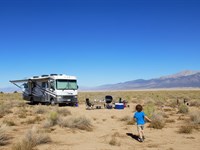
- RV and Camping During Development: Costilla County allows camping on your property for 14 days within any three-month period without any permit. For longer stays while you develop your land, temporary RV occupancy permits allow up to 180 days annually once you have a permitted well or installed cistern and an approved septic or waste management system. The permit costs $250 and must be renewed every 60 days. This arrangement lets you live on your land while building, supervising construction, and truly getting to know the property through different seasons before finalizing your home design.
- Livestock Considerations Under Covenants: The Sangre de Cristo Ranches covenants specify that animals beyond ordinary household pets require prior written permission from the declarant. Since Forbes Trinchera Ranch no longer operates as the declarant and no HOA exists to grant such permission, this covenant exists in a gray area. County zoning for Estate Residential generally allows limited livestock on parcels of this size. Many property owners in the subdivision keep horses, chickens, or other animals without issue. If livestock is central to your plans, consulting with the county Planning and Zoning office about current interpretation and practice makes sense before finalizing your purchase.
- Construction Timeline Freedom: Unlike some developments that require building within a certain timeframe, Sangre de Cristo Ranches imposes no deadline for construction. You can hold your land for years while planning, saving, or waiting for the right time in your life to build. Property taxes on undeveloped land remain low, making long-term holding financially painless. Many owners purchase land now with intentions to build at retirement or when circumstances allow. The land waits patiently, appreciating in value while you prepare for the next chapter.
- Accessory Structure Opportunities: The covenants allow ancillary buildings appropriate to residential use without minimum size requirements. This means you can build a workshop, storage barn, greenhouse, or equipment shed to support your homestead. Many owners construct outbuildings first, providing secure storage for tools and materials while the main residence takes shape. A well-built barn or shop can even provide temporary shelter during construction phases, making the building process more comfortable and efficient.
---
Climate And Terrain
- High Desert Mountain Climate: Your property sits at approximately 8,400 feet elevation in a climate zone that combines high desert characteristics with mountain influences. Annual precipitation averages 10 to 12 inches, with most moisture arriving as summer afternoon thunderstorms and winter snow events. The semi-arid conditions mean low humidity year-round, making both summer heat and winter cold more comfortable than the numbers might suggest. Roughly 280 days of sunshine annually ensure that solar panels perform excellently and that outdoor activities remain possible through most of the year.
- Summer Comfort Zone: Summer temperatures at this elevation rarely reach the uncomfortable levels that punish lower regions. Expect daytime highs in the mid-70s during July and August, occasionally touching the low 80s during heat waves. Nights cool dramatically, dropping into the 40s and low 50s even in midsummer. This daily temperature swing means sleeping with windows open under blankets, waking to crisp mornings, and never needing air conditioning. Afternoon thunderstorms roll through regularly during the monsoon season from July through August, dropping brief heavy rain before clearing to spectacular evening skies.
- Winter Conditions and Access: Winters bring cold temperatures with daytime highs often in the 30s and nights dropping to single digits during cold snaps. However, the abundant sunshine and low humidity make winter days far more pleasant than similar temperatures in humid climates. Snow falls in modest amounts on the valley floor and foothills, typically 30 to 50 inches annually spread across many small events rather than massive dumps. The intense high-altitude sun melts snow quickly from south-facing exposures. Roads remain passable with reasonable care, though a four-wheel-drive vehicle provides welcome security during and immediately after storms.
- Shoulder Season Transitions: Spring arrives gradually, with March often bringing the snowiest weather of the year as storm systems clash with warming temperatures. By late April, the landscape greens up and wildflowers begin appearing. The period from May through early June offers some of the best weather, with warm days, minimal precipitation, and mountains still capped in snow. Fall extends the pleasant conditions from September into October, with golden aspens in the higher elevations, crisp nights, and stable weather patterns ideal for outdoor activities. These shoulder seasons often provide the most comfortable conditions for construction projects.
- Terrain and Topography: Rolling terrain characterizes your 5-acre parcel, with enough variation to create visual interest and building options without presenting construction challenges. The pinon pine and juniper woodland covering the property provides natural privacy screening while allowing filtered views through the trees. Several potential building sites offer different exposures and view orientations. The gentle slopes ensure good drainage without requiring extensive grading or earthwork. This is not flat, featureless land, but neither does it present the difficulties of steep mountain terrain.
- Soil Conditions for Building: The soils in this area of Sangre de Cristo Ranches typically consist of well-drained sandy loam suitable for both construction and septic systems. Good drainage means foundations stay dry and septic leach fields function properly. Percolation tests required for septic permits generally show favorable results in this soil type. The stable soil conditions also make well drilling straightforward, without the hardpan layers or excessive rock that complicate drilling in some areas. When you are ready to build, the ground itself will cooperate with your plans.
- Wind Patterns and Considerations: The San Luis Valley experiences regular afternoon breezes, particularly during spring months. Winds typically pick up from the west or southwest as the valley floor heats during the day, then calm after sunset. These moderate winds rarely reach damaging levels but do factor into building design and solar or wind energy planning. Strategic placement of structures using terrain features and existing vegetation can provide natural wind protection. Those interested in wind power generation will find enough consistent airflow to supplement solar systems, particularly on exposed ridges and hilltops.
- Weather Hazards and Preparedness: Severe weather events remain relatively rare in this region. Tornadoes essentially do not occur due to the surrounding mountains and high elevation. Flash flooding affects narrow canyons and arroyos but poses no threat to the elevated, well-drained building sites on your property. Wildfire risk exists throughout the Western states, but the relatively sparse vegetation of the pinon-juniper woodland burns less intensely than dense forests. Creating defensible space around structures and using fire-resistant building materials represents prudent practice. Lightning during summer thunderstorms requires awareness when outdoors but poses manageable risk with basic precautions.
- Growing Season Realities: The high elevation limits the frost-free growing season to approximately 100 to 120 days, typically from late May through mid-September. This shorter season restricts outdoor gardening to cold-hardy vegetables and fast-maturing varieties. However, greenhouse growing extends the season dramatically, and the intense high-altitude sunshine produces exceptional results in protected growing environments. Many residents maintain productive gardens using season extension techniques, cold frames, and hoop houses. The cool nights actually benefit certain crops, producing sweeter carrots and more flavorful greens than warmer climates allow.
---
Off-Grid Living Potential
- Solar Power Excellence: The San Luis Valley ranks among the best locations in the entire United States for solar energy production. Over 280 days of sunshine annually combined with high altitude means your solar panels will generate power at peak efficiency. The thin atmosphere at 8,400 feet allows more solar radiation to reach your panels than at sea level locations. Many off-grid residents in Sangre de Cristo Ranches power their entire homes with appropriately sized solar arrays and battery storage systems. Modern lithium battery technology makes storing solar energy practical and reliable, letting you run refrigerators, lights, electronics, and power tools without connection to any utility grid.
- Well Water Independence: Domestic wells provide water independence for properties throughout this region. Well depths vary depending on exact location, but depths of 150 to 250 feet commonly reach adequate water supplies in the Sangre de Cristo Ranches area. Colorado law allows domestic wells for household use, watering gardens, and providing for limited livestock. The groundwater quality in this region typically runs excellent, cold and clean from the mountain aquifers that underlie the valley. Once your well is drilled and equipped with a solar-powered pump, you have water independence that costs nothing month after month.
- Cistern and Hauled Water Alternative: For those who prefer to avoid well drilling costs initially, cistern systems provide a proven alternative. A properly installed 1,500 to 2,500 gallon water storage tank can supply a household for weeks between fills. Water hauling services operate throughout the San Luis Valley, delivering potable water directly to your cistern. The town of Alamosa offers public water fill stations where you can fill portable tanks yourself for minimal cost. Many property owners start with cistern systems while developing their land, then add wells later as budgets allow. Either approach satisfies county requirements for water supply.
- Septic System Requirements: Permanent residences require approved septic systems for wastewater treatment. The well-drained sandy loam soils typical of this area generally produce favorable percolation test results, allowing standard septic system designs. Installation costs typically run $5,000 to $8,000 depending on system size and site conditions. Once installed, septic systems require minimal maintenance beyond periodic pumping every few years. The county health department reviews and permits all septic installations to ensure proper design and placement relative to wells and property boundaries.
- Alternative Waste Systems: For those interested in reducing water use and environmental impact, composting toilet systems offer another option. Modern composting toilets bear no resemblance to primitive outhouses. Properly designed units process waste safely and odorlessly while eliminating the need for water-intensive flush systems. Colorado and Costilla County have shown openness to alternative waste treatment approaches when properly designed and documented. Greywater from sinks and showers still requires appropriate treatment, typically through a smaller leach field or approved disposal system.
- Propane and Heating Options: Most off-grid homes in the region use propane for cooking, backup heating, and running generators during extended cloudy periods. Propane delivery services cover the entire San Luis Valley, filling tanks on regular schedules or on-call basis. A properly sized propane tank can supply a household for months between fills. Wood stoves provide primary heating for many mountain homes, using the abundant pinon and juniper available on private land or through permitted cutting on National Forest lands. The combination of passive solar design, wood heat, and propane backup keeps homes comfortable through the coldest winters without utility bills.
- Internet and Communication: Staying connected no longer requires utility infrastructure. Starlink satellite internet now provides high-speed broadband anywhere with clear sky view, delivering speeds sufficient for video conferencing, streaming, and remote work. This technology has transformed off-grid living from a disconnected experience to one where you can work remotely while enjoying mountain solitude. Cellular coverage reaches most of Sangre de Cristo Ranches from towers along the highway corridors, though signal strength varies by exact location and carrier. Many residents use cellular service for voice communication while relying on satellite for internet.
- Generator Backup Systems: Prudent off-grid design includes backup power generation for extended cloudy periods or unusual demand situations. Propane generators provide clean-burning, reliable backup that starts automatically when battery levels drop. Unlike gasoline, propane stores indefinitely without degradation, ensuring your backup system works when needed even after months of sitting idle. Most off-grid residents find they rarely need generator backup with properly sized solar and battery systems, but the security of knowing power is always available provides peace of mind through any weather pattern.
- Financial Freedom Through Independence: The initial investment in off-grid systems pays dividends for decades through eliminated utility bills. No monthly electric bills. No water bills. No sewer fees. Once your systems are installed and functioning, your ongoing costs drop to propane refills, occasional maintenance, and property taxes that remain remarkably low on Costilla County land. Many off-grid residents report monthly living costs a fraction of what they paid in town, freeing resources for other priorities or allowing earlier retirement on smaller savings.
---
Investment And Market Analysis
- Colorado Land Appreciation Trends: Colorado has experienced sustained population growth and real estate appreciation for decades, with brief pauses during economic downturns followed by resumed climbing. The state adds thousands of new residents monthly, and those people need places to live. As Front Range cities like Denver and Colorado Springs become increasingly expensive and congested, buyers look further afield for affordable alternatives. Rural counties with mountain access and recreational opportunities benefit from this spillover demand. Costilla County land values have begun reflecting this broader trend after years of remaining among the most affordable in the state.
- Sangre de Cristo Ranches Market Position: The subdivision contains thousands of platted lots, but the number of actively marketed properties and completed transactions has increased notably in recent years. Properties that sat unsold for extended periods now find buyers more quickly. Asking prices have trended upward as sellers recognize strengthening demand. This particular parcel is priced below comparable lots in the subdivision, representing an opportunity to acquire at favorable terms before the market fully adjusts. The combination of mountain views, tree cover, and good access makes this lot more desirable than many alternatives.
- Remote Work Revolution: The shift toward remote work that accelerated during recent years shows no signs of reversing. Employers have accepted that many jobs can be performed from anywhere with reliable internet. This fundamentally changes the calculation for land buyers who previously needed to live near urban job centers. A software developer, consultant, writer, or customer service representative can work from a cabin in Sangre de Cristo Ranches as easily as from a suburban home. This expanded buyer pool increases demand for rural properties with good internet potential, exactly the profile this parcel offers.
- Retirement Destination Appeal: Baby Boomers entering retirement seek places where savings stretch further and quality of life exceeds what crowded urban areas offer. Costilla County delivers on both counts. Property prices and taxes remain low while natural beauty, outdoor recreation, and clean air provide daily quality of life benefits. The ability to build a custom retirement home for a fraction of what equivalent construction costs elsewhere makes the math compelling. Many buyers purchase land now with plans to build when retirement arrives, locking in current prices while continuing to work and save.
- Holding Cost Advantages: Annual property taxes on this parcel run approximately $426, less than $36 per month to hold land that could appreciate substantially over coming years. No HOA dues add to carrying costs. No required improvements or building timelines create pressure to develop before you are ready. This low holding cost structure allows patient investors to wait for optimal conditions while spending almost nothing for the privilege. Compare this to rental properties requiring constant management or stocks generating no tangible enjoyment while waiting for appreciation.
- Development Value Creation: Raw land represents the starting point of a value creation opportunity. Adding a well increases property value. Installing septic adds more value. Building even a modest cabin transforms the property into something worth multiples of raw land prices. Each improvement creates equity while also creating a usable asset you can enjoy. Investors who purchase raw land, add basic infrastructure, and sell to buyers wanting move-in-ready properties capture significant returns while providing real value to subsequent owners.
- Recreational Property Demand: The market for recreational properties, hunting land, and weekend retreats continues expanding as more Americans seek escape from urban stress. Properties offering hunting access, fishing proximity, and outdoor recreation opportunities command premium prices in this market segment. Your parcel in GMU 83 with greenbelt hunting access, proximity to multiple fishing reservoirs, and location within the outdoor recreation paradise of the San Luis Valley checks every box recreational buyers seek.
- Legacy and Generational Wealth: Land ownership represents one of the oldest and most proven forms of wealth preservation and transfer. Unlike financial assets that can evaporate in market crashes or be inflated away by monetary policy, land remains land. The acres you purchase today will still exist for your children and grandchildren. Colorado mountain property carries particular appeal as a legacy asset, combining investment characteristics with tangible enjoyment value. Many buyers think in generational terms, acquiring land now that will serve family needs for decades to come.
---
Community And Services
- Fort Garland Services: Your nearest community at just 9 miles provides the essentials without the complications of larger towns. Fort Garland offers fuel, basic groceries, a few restaurants serving solid southwestern fare, and the kind of hardware and ranch supply items rural living requires. The post office handles mail for the surrounding area. The Fort Garland Museum brings visitors and adds cultural depth to this small community. What Fort Garland lacks in big-box retail it makes up for in authentic character and the convenience of a 15-minute drive from your property.
- Alamosa Regional Hub: Forty-five miles west, Alamosa serves as the commercial center of the San Luis Valley with a full range of shopping and services. Walmart, Safeway, and City Market cover grocery needs. Home Depot and Ace Hardware supply building materials and tools. The San Luis Valley Regional Medical Center provides emergency services, surgical capabilities, and specialty care without driving to larger cities. Adams State University adds educational opportunities and cultural events. Banks, professional services, restaurants, and entertainment options round out what this regional hub offers.
- San Luis Historic Community: Colorado's oldest town lies about 25 miles south of your property. Beyond its historical significance, San Luis offers a glimpse into traditional Hispanic mountain community life that has largely disappeared elsewhere. The R&R Market has operated continuously since 1857, making it Colorado's oldest business. Small restaurants serve authentic northern New Mexican cuisine. The cultural center and Stations of the Cross shrine draw visitors, but San Luis remains a living community rather than a tourist attraction.
- Emergency Services Coverage: Costilla County Sheriff deputies patrol the rural areas and respond to calls throughout the county. Fire protection comes from volunteer departments in Fort Garland and San Luis with equipment capable of reaching properties throughout the subdivision. Emergency medical services coordinate through county dispatch with ambulance response available. Response times to rural properties naturally run longer than in urban areas, making self-reliance and basic preparedness sensible practices. Neighbors in rural communities typically look out for each other, adding an informal layer of mutual support.
- Taos Access: Just over an hour south across the New Mexico border, Taos offers world-class art galleries, diverse dining, and the cultural richness of a historic arts community. Taos Ski Valley provides another skiing option beyond Wolf Creek. The town draws visitors from around the world, yet remains accessible for day trips from your Costilla County property. This proximity to Taos adds cultural and recreational options without requiring you to live amid the tourist crowds and higher prices.
- Your Colorado Chapter Begins: This 5-acre parcel in Sangre de Cristo Ranches represents more than a real estate transaction. It represents possibility. The possibility of morning coffee watching elk graze the meadows. The possibility of evenings around a fire pit under stars you forgot existed. The possibility of building exactly the life you want on land you own free and clear. The mountains have waited millions of years. Your property has waited for someone ready to appreciate what it offers. The question is whether you are ready to begin.
The details provided in this property listing are believed to be reliable but are not warranted. Prospective buyers should perform their own research and verification of all information before making purchase decisions.
Lot Maps & Attachments
Directions to Lot
From downtown Fort Garland, head toward 5th Ave, then turn left onto US-160 E / 4th Ave.
Continue on US-160 E for 2.0 miles.
Turn right onto Trinchera Ranch Rd N and follow for 1.1 miles.
Slight left onto Beekman Rd and continue for 3.3 miles.
Turn right onto Indian Creek Rd (1.6 miles).
Turn right onto Platten Rd (0.7 miles).
Turn left onto Marchman Rd and continue for 0.4 miles to the property on the right.
More Lot Details
More Lots from Jon and Valari Burnett
 1.2 AC : $11.5K
- 0.5 AC : $10.5K
- New5 AC : $7.9K
- 0.3 AC : $8.9K
- 2.5 AC : $8.9K
- 2.6 AC : $6.9K
- 7.1 AC : $18.9K
- 0.2 AC : $13.5K
- 5.8 AC : $9.9K
- 4.7 AC : $14.9K
- 0.6 AC : $13.5K
- 1.3 AC : $6.9K