1.63 Acre Oregon RV & Camping Land
Chiloquin, OR 97624
Klamath County, Oregon
Lot Description
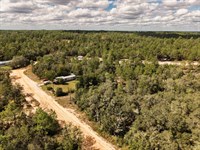
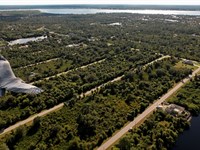
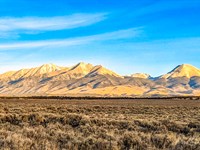
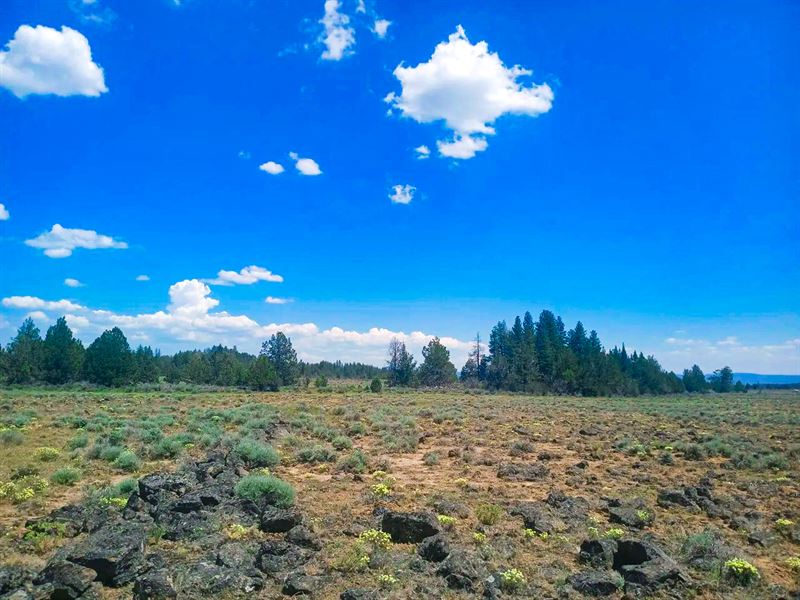
This 1.63-Acre lot in Oregon Pines gives you room to breathe, dream, and actually use your land. Set among rolling timber and high desert views in Klamath County, it's a peaceful getaway spot where you can unplug, listen to the wind in the trees, and watch big skies change from bright blue days to star-packed nights. With no HOA telling you what to do, you can shape this land to fit your plans instead of the other way around.
Here you're a short drive from the Sprague River and nearby lakes, so weekend plans practically make themselves-fishing, paddling, or just walking along the water. The Fremont-Winema National Forest is also close by, opening up access to miles of trails, backroads, and open space for exploring, hunting, and outdoor fun. It's the kind of area where you can spend the day outside and still feel like there's more to discover every time you come back.
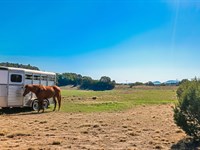
Use this lot as your simple basecamp now, and grow into it over time. Bring a tiny home, plan a future cabin, or enjoy permitted camping and RV stays in short bursts throughout the year. Set up a fire ring, park your gear, and use it as a launch point for everything you love to do outdoors. Whether you're looking for a quiet retreat, a flexible recreation spot, or a future build site, this Oregon Pines property is a solid, down-to-earth place to start.
We are open to owner financing as well - here is what that would look like:
- Total Money Down: $599($349 downpayment + $250 closing cost)
- Monthly: $181/Month for 72 months
See Info below.
- Subdivision: Oregon Pines
- State:OR
- County: Klamath
- Zip:
- Size: 1.63
- Parcel: R278274
- Legal Description: Oregon Pines, Block 30, Lot 20
- Approximate Lat/Long Coordinates:
42.5467, -121.3827
42.5467, -121.3825
42.5461, -121.3834
42.5456, -121.3817
- Annual Taxes: Approximately 48.96/Year
- Zoning: R-2 Rural Residential
--- Single-family homes allowed (site-built or manufactured)
--- Tiny homes allowed when built on a permanent foundation and permitted as a dwelling
--- RV allowed while building a home with an active building permit and temporary use permit
--- Short-term camping allowed (up to 21 days within any 6-month period)
--- Call County zoning at for more information
- Hoa/Poa: no
- Improvements: None
- Access: Toddy Dr.
- Water: Would be by well, or alternative
- Sewer: Would be by sceptic
- Utilities: Would be by alternative
Location And Setting Overview
- Remote Off-Grid High Desert Location: This 1.63-Acre parcel sits in the rugged high desert of eastern Klamath County, Oregon, far from the noise and congestion of city life. Tucked away in the Oregon Pines subdivision northwest of the tiny community of Beatty, it offers true seclusion and privacy. Here you can live on your own terms, surrounded by open skies and juniper-scented breeze. The property's remote location means you won't be bothered by city traffic or nosy neighbors - just peace, quiet, and the freedom to enjoy your land.
- Semi-Arid Climate with Four Distinct Seasons: Eastern Klamath County boasts a classic high-desert climate, with warm, dry summers and cold winters that see light to moderate snowfall. You'll experience around 300 days of sunshine a year, meaning bright blue skies and starry nights are the norm. Summer days often reach the 80s°F, perfect for outdoor work and play, while winter nights dip below freezing, giving a crisp chill to the air. The climate is ideal for those who love sunshine and don't mind a bit of winter weather - it's a place where you can enjoy true seasonal variety, from summer's warmth to the quiet beauty of a snow-dusted landscape.
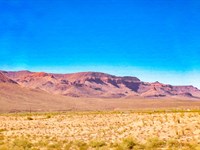
- Gently Rolling Terrain and Volcanic Soil: The land itself features flat to gently rolling terrain, making it easy to find a suitable spot to build or camp. Scattered native trees and brush dot the property, providing a pleasant mix of open space and shade. The soil here has volcanic origins - a sandy, well-draining earth common in this region. It's firm enough for building and also workable for planting. With a little care and water, you could start a garden or plant trees; many homesteaders find the soil great for hardy vegetables and native plants. The property's slight elevation and open ground also grant beautiful views of the surrounding hills and the big desert sky.
- Easy Road Access Year-Round: Despite its remote setting, this parcel is reachable by vehicle, so you can come and go as you please. Toddy Drive and the connecting Oregon Pines Road are typically navigable by standard cars in good weather. The roads are primitive but maintained enough for regular access - you won't need to be an expert off-roader to reach your land. In winter months when snow falls, having a 4x4 or all-wheel drive can be helpful to navigate the country roads safely. The quiet nature of these backroads means you'll rarely encounter traffic or noise near your property. For the self-reliant owner, just knowing you can drive right up to your land in most conditions offers peace of mind and convenience.
- No HOA and Minimal Restrictions: One of the biggest draws of Oregon Pines is the lack of a homeowners' association or heavy-handed regulations. This land comes with no HOA breathing down your neck - no monthly dues, no committees telling you what you can or can't do. Your property rights are fully intact here. Klamath County's basic rural zoning allows a lot of freedom: you can build a cabin or a traditional home, bring in a manufactured home, or set up a tiny house. You're even allowed to camp out or use an RV on the land (with a simple permit for extended stays), giving you the flexibility to enjoy the property immediately. This kind of freedom means you can truly make the land your own retreat without jumping through hoops.
- Independent Off-Grid Utilities: Living off-grid in Oregon Pines means embracing self-sufficiency when it comes to utilities. There are no city water lines or power hookups out here - instead, you have the freedom to set up your own systems. Many folks in the area install solar panels or small wind turbines to generate electricity, taking advantage of the plentiful sunshine and open sky for energy independence. Water can be obtained by drilling a well or by using rainwater catchment and storage tanks, as the area does get precipitation in the form of occasional rain and snowfall. For sewage, off-gridders typically use septic systems or composting solutions. What this means is you won't be paying monthly utility bills to big companies - you control how you get your power and water. It's an opportunity to live sustainably and responsibly, on your own terms.
- Close to a Small Town for Basics: While the property feels very remote, basic services aren't too far away when you need them. The little community of Beatty is a short drive down the road (roughly 10-15 miles) and offers a few simple amenities like a general store for groceries, gas, and a post office. It's a classic rural town - not fancy, but it has the essentials and friendly folks. And if you ever need more than what Beatty provides, the city of Klamath Falls lies about 50 miles to the west. In Klamath Falls you'll find supermarkets, hardware stores, restaurants, medical facilities, and all the modern conveniences. Living here, you have the advantage of true solitude day-to-day, with the comfort of knowing that if you need a hot meal, a tank of fuel, or a doctor's visit, it's within a reasonable drive.
Recreational Opportunities
- Fremont-Winema National Forest Adventures: Just north of this area lies the vast Fremont-Winema National Forest, a huge expanse of public land waiting to be explored. If you love adventure, the national forest offers endless opportunities for hiking, backpacking, and horseback riding among towering pines and scenic vistas. You can take off on foot or ATV down forest roads and trails, discover hidden meadows, and breathe in the fresh mountain air. Whether you're scouting for game or simply enjoying a quiet walk in nature, having a national forest nearby means hundreds of thousands of acres of wild land are essentially your playground. It's an outdoorsman's paradise where you can wander for days and rarely see another soul.
- World-Class Fishing in Rivers and Lakes: Klamath County is famous for its fishing, and you'll be within reach of some truly great spots. The Sprague River, just a short drive from the property, is known for its excellent trout fishing - anglers come from all over to try their luck with the feisty rainbows and brook trout in these waters. Cast a line on a cool morning and you might haul in dinner while eagles soar overhead. Beyond the rivers, the region is dotted with mountain lakes and streams teeming with fish. Upper Klamath Lake, the largest freshwater lake in Oregon, is about an hour's drive and offers the chance to reel in trophy-sized trout or simply enjoy a day of boating. There are also smaller lakes and reservoirs tucked in the nearby hills where you can launch a canoe or go for a peaceful lakeside picnic. Whether you prefer fly fishing in a quiet creek or taking a boat out on open water, the area provides plenty of choices.
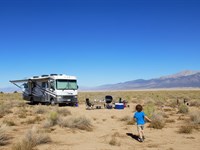
- Camping and Stargazing: Owning this land means you have your very own campsite whenever you want it. Pitch a tent or park your RV on your property and spend nights under an amazing canopy of stars. With virtually no light pollution out here, the night skies are breathtaking - you can clearly see the Milky Way stretching overhead on a dark summer night. Friends and family will love gathering around a campfire on your land, swapping stories and roasting marshmallows in the stillness of a high desert evening. If you feel like exploring further, you can also camp in the nearby national forest or along the rivers. But the beauty of having your own acreage is that the camping experience is all yours - no crowded campgrounds, no fees, and no reservations needed. Just you, the crackling fire, and the wide-open sky.
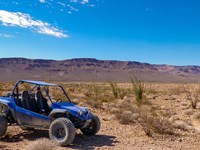
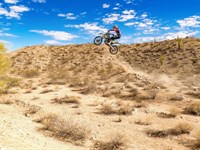
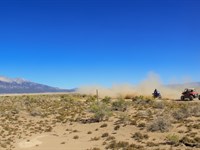
- Off-Roading and Outdoor Fun: The remote nature of this area makes it perfect for off-road adventures and outdoor sports. The network of dirt roads and trails around Oregon Pines is ideal for ATVs, dirt bikes, and four-wheel drives. You can hop on your ATV right from your property and ride for miles, exploring old logging paths or climbing up to scenic viewpoints. There's a real sense of freedom in cruising down a backcountry trail with dust billowing behind you and nothing but wilderness all around. And if you're into winter fun, when the snow falls you can break out a snowmobile or strap on some snowshoes to trek across the hushed white landscape. Year-round, there's no shortage of ways to enjoy the outdoors here, whether it's adrenaline-pumping fun or just a relaxing nature walk.
- Nearby Natural Wonders: Living in this part of Oregon puts you within reach of some truly remarkable attractions. A couple hours north lies Crater Lake National Park, home to the deepest and bluest lake in America - an unforgettable day trip where you can hike the rim trails or take a boat ride on the crystal-clear lake. Closer to home, the Klamath Basin wildlife refuges attract thousands of migrating birds each year, making for spectacular bird-watching. The whole region is rich in natural beauty, from volcanic rock formations to quiet alpine meadows. Every weekend can offer a new adventure: one day you might drive out to a mountain hot spring or panoramic lookout, and the next day wander through a wetland sanctuary with binoculars in hand. When you own land here, you're not just buying a property - you're gaining a base camp for endless exploration of Southern Oregon's great outdoors.
Wildlife And Hunting
- Abundant Wildlife on Your Land: Don't be surprised if you look out your window one morning and see animals wandering across your property. This area is home to an array of high-desert wildlife that frequently passes through. Black-tailed jackrabbits hop among the sagebrush, and you'll often see mule deer grazing in the early hours or at dusk. In certain seasons, majestic elk from the nearby forest lands might traverse the area as they migrate. You could catch sight of a fox trotting along, or hear the howls of coyotes echoing across the hills at night. Birds of prey like hawks and eagles soar overhead during the day, while great horned owls keep watch from the trees after dark. Owning this piece of land means you get a front-row seat to nature's show every day.
- Prime Big Game Hunting Territory: For hunters, this property is a dream come true. Klamath County offers some of the best big game hunting in Oregon, and your land can serve as the perfect base camp during hunting season. The region is known for healthy populations of mule deer and Rocky Mountain elk. Many locals and visitors alike spend their fall weekends out in the surrounding public lands in pursuit of that trophy buck or a freezer full of elk meat. From your property, you're only a short drive from vast stretches of national forest and BLM land where you can hunt to your heart's content. There's something special about waking up on your own acreage, brewing a pot of coffee on a crisp autumn morning, and then heading out at first light - no long drive, no crowded campgrounds, just you and the hunt. The tradition of hunting runs deep here, and you'll be part of a community that values self-reliance and the skill of providing for one's family.
- Upland Birds and Waterfowl: The hunting opportunities don't stop with big game. This area and the broader Klamath Basin are rich with birdlife, offering excellent upland bird and waterfowl hunting when the seasons come around. You can roam the sagebrush flats and pine foothills in search of upland game birds like quail and grouse - the sudden whir of a flushed covey is a thrill every hunter appreciates. Wild turkeys also roam the forests and canyons, presenting another rewarding challenge in spring or fall. If waterfowl is more your style, the region's lakes and marshes attract ducks and geese by the thousands along the Pacific Flyway. Nearby wildlife refuges and river sloughs become prime waterfowl hunting grounds in late fall. Many hunters set out decoys on chilly mornings hoping to bring in mallards or Canada geese. Whether it's flushing pheasants in the fields or calling in geese from a blind, you'll find plenty of wing-shooting opportunities throughout the year.
- Personal Shooting and Archery Range: Owning a remote piece of property like this also means you have the space to practice shooting sports on your own terms. If you're a firearm enthusiast or bowhunter, you can set up targets on your land for some practice without anyone to disturb or restrict you. Sight in your rifles before the big hunt, or hone your archery skills right in your backyard. The privacy and open space allow for safe target shooting with a proper backstop, giving you the freedom to enjoy firearms as part of your rural lifestyle. In a world where many places frown on backyard target practice, here it's just another part of living free and unrestricted - as long as you do it safely and responsibly, of course.
- Stewardship and Conservation: Living among abundant wildlife comes with the rewarding responsibility of land stewardship. Many who settle out here take pride in caring for the environment, not because anyone tells them to, but because it's the right thing to do. You'll have the chance to manage your slice of land in a way that benefits both you and the local critters. That might mean keeping a water source available for deer during dry months, maintaining healthy soil and vegetation, or simply avoiding disturbing animal trails. By practicing good land management, you ensure that deer, elk, and other wildlife continue to thrive on and around your property for years to come. It's a hands-on form of environmental stewardship that aligns with personal responsibility - you take care of the land, and in return the land takes care of you. It's also a perfect place to teach your children or grandchildren about respecting nature, hunting ethics, and caring for the land. In the end, this isn't just real estate - it's a legacy of freedom, self-reliance, and the great American outdoors.
Historical Significance
- This land has a long history that echoes the Oregon frontier. For centuries native Shoshone and Klamath people lived in these forests and plains. They hunted deer and gathered wild plants in a landscape of springs and meadows. Early explorers even noted the rich wildlife - John Work wrote about seeing deer and finding wild plum bushes here in 1832. In the mid-1800s this area became part of the Klamath Indian Reservation, a time when missionaries and settlers met the tribes. Nearby Beatty was named for one of those early missionaries, and even Toby “Winema” Riddle, a legendary Klamath scout, is buried not far from here. That shows how deep the roots of this place are. The surrounding land still feels wild - it's part of the Fremont National Forest, named for explorer John C. Fremont who mapped this region in 1843. You can hike here and almost feel the footsteps of those early travelers in the quiet woods and hills.
- By the early 1900S, new industries had arrived. In 1909 the railroad reached Klamath Falls and a timber boom took off. Huge stands of pine were cut down because they grew on flat land near the tracks. As one history notes, Klamath County's “immense stands of timber grew on relatively even terrain, easily accessible by railroad”. Sawmills sprang up and crews of loggers worked deep into the woods, living in rough cabins they built themselves. Logging camps and the ghosts of old railroad grades still lie hidden along dirt roads. Ranchers also moved in, grazing cattle on the open meadows and using natural springs for water. For decades, loggers and ranchers lived hard but free lives here, depending on horses and tractors instead of city machines.
- Homesteading kept the wilderness full of hardy residents. The U.S. government ran veteran land lotteries here after World War II. Between 1946 and 1949, more than 200 returning soldiers won parcels of Klamath land. These veterans had to prove their “honesty, temperance, thrift, and industry” to earn a farm. Many then built their own cabins, dug wells, and fenced fields. Over time those families carved out farms and small ranches from the high desert, growing food in tough soil. Even today you can see old wells and fence posts marking where those pioneers once settled. Some of those families still live nearby, passing on stories of surviving winter storms and fixing a pump when the power goes out.
- Geology and natural heritage add another layer to the story. Volcanoes have shaped this region for millions of years, and the land still carries their mark. In fact, Klamath County contains Crater Lake National Park (Oregon's only national park), a crater lake formed by a collapsed volcano. Elsewhere you find old lava flows and pumice fields in the soil. That is why much of the ground is rocky volcanic ash - good for pine and juniper but not easy farming. These dramatic landforms and soils remind you of the ancient forces that made this landscape. Living here means you share history with those forces.
- For decades, this rugged way of life has drawn people who prize freedom. The communities around here are tiny, and the residents value independence above all. There are no city rules or mandatory fees to tie you down. Instead, neighbors share a spirit of self-reliance. You might spend a day chopping firewood and an evening camping under the stars with no one around to say otherwise. Neighbors swap tips on solar panels and rainwater tanks like frontier folk trading tools. By owning this land, you join that long line of people who built lives here on their own terms. It's not just land - it's a chance to carry on a proud tradition of living free.
Building And Development Options
- Zoning And Freedom: This area is zoned Rural Residential, which basically means lots of freedom. The county allows one single-family home or a manufactured/mobile home on each lot. There are no architectural guidelines or HOA to follow, so you won't find any surprise fees or design rules. You can keep horses, grow gardens, and have a few farm animals if you like. It's common around here to have chickens or a small hobby ranch. This zone was made for people who want country living and self-sufficiency.
- Building Permits And Timing: Of course, you do need to follow some rules to build. Klamath County requires proof of legal road access to your lot, and it requires plans for water and waste disposal. In practice you show them a drilled well or a plan for a large rainwater tank, and you get an approved septic or composting system. Once those basics are in place, you can get a building permit to put up a home. Building permits here last six months and simply reset with each inspection, so you can build at your own pace. There is no hurry - you can complete one part of your house at a time. You can even live in an RV on the property while you build by getting a temporary permit. That lets you enjoy the land right away.
- Home Options: You have many choices for your dwelling. You might build a traditional wood cabin or bring in a modern manufactured home; both are allowed. Even a tiny house on a permanent foundation is fine if it meets code. The county actually notes that the smallest permitted home is about 300 square feet (that's the state's minimum size). You could use alternative materials as long as an engineer signs off. Solar panels, propane stoves, and composting toilets are all OK here. If you install a manufactured home, just remember it needs to go on a foundation (they often remove the wheels for final setup). Lots of people here build energy-efficient homes that run on solar or even wind - the county welcomes that technology.
- RV Living: Many owners start by living in an RV or trailer. By law you can camp on your land in an RV for up to 21 days at a time without a permit. If you need to stay longer while you build, you can apply for a temporary use permit to live in the RV. It's common to park a travel trailer or camper on site and use it as a temporary home. This way you start enjoying the property immediately. Just remember: this is a rural piece of ground, so you won't have city hookups. Treat the RV as truly off-grid - you might set up solar panels on it, run a generator, and haul in your own water.
- Off-Grid Utilities: No city water or power lines reach this property, so everything must be self-installed. Most people drill a well for water or set up a big rainwater tank and pump. Before building, the county will want an approved plan for drinking water and waste. For electricity, the default solution is solar. The county specifically encourages solar power instead of grid power. Heating is usually by wood stove or propane, and many homes have propane tanks buried on site. There is no sewer system, so you either install a septic system or an alternative approved by the county. If you plan carefully, you can be 100% off-grid: many owners use solar panels, battery banks, and propane, plus a composting or septic toilet. In short, you set up water, power, and septic (even rain barrels and composting toilets are fine) and then you can live totally off-grid. This takes work, but for people who value independence it's a key part of the appeal here.
Climate And Terrain
- High Desert Climate: This is a high desert environment, which means bright sunny days and dry air. Klamath County is famous for sunshine - about 290 days of it per year. Summers are warm but not oppressive, and nights get cool. For example, Klamath Falls (nearby) averages summer highs around 87°F and lows around 50°F. There's almost no humidity, so summer heat feels milder and nights are comfortable. Winters can be cold with snow on the ground much of the time. In climate terms, Beatty has a “warm-summer Mediterranean” pattern: warm, dry summers and snowy winters. At our 4,500-Foot elevation, the air is crisp and clear all year. You'll rarely see haze or fog. Typical summer days are cloudless.
- Temperatures: You will see a big swing from day to night. On a July day it might reach the mid-80s°F, then drop below 50°F at night. Even in summer, a single rainy night can bring frost. In winter, daytime highs may only reach the 30s°F and nights often dip below 10°F. Cloudy winter days tend to be milder than clear ones. November and December are usually the snowiest months, with over a foot of snow each. Some winters bring significant snow drifts that last well into spring. Spring and fall are relatively short and mild. You'll want both shorts and a heavy coat on hand. Clear nights are common, so bundle up for starlit evenings.
- Precipitation: We get very little rain. Annual precipitation is only about 16 inches on average. In fact, July and August often record zero rainfall. Most of the moisture comes as winter snow or fall rains. You'll often see precipitation come in large storms rather than steady drizzle. For example, a storm might dump several inches of snow in one night. This means you rely on winter snowpack for water. Springs can flush bright green with melting snow. After that, summers are bone-dry. Be prepared for dusty roads and to water plants well if you want a garden.
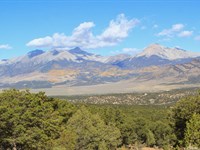
- Terrain And Vegetation: The ground here is volcanic - old lava flows and pumice from long ago. That's why the soil is sandy and rocky. You'll see ponderosa pine and juniper all around, with open meadows of sage and grass in between. The property sits on a gentle hilltop offering wide views. All around are thick forests and distant peaks. For example, to the north is Abert Rim, a sheer basalt cliff rising about 2,500 feet. Rolling ridges and valleys are dotted with springs and lava rock. Wildlife is abundant: deer, elk, antelope, and many birds thrive in these woods and meadows. Driving on gravel roads, you may sometimes be surprised by a deer or antelope crossing ahead.
- Seasons: Summers are warm and bright, winters are cold and snowy. Fall and spring are brief and showy. After winter snow, everything bursts to life in spring - wildflowers bloom and creeks flow. Summer brings long days of sun and cool nights. Fall cools quickly; the forests turn gold and crimson. Winter covers the land in quiet white. Residents here prepare accordingly: strong insulation and wood stoves for winter, shade trees and water tanks for summer. The changing seasons are dramatic, and each brings its own beauty. If you love the outdoors, you'll have a front-row seat to it all.
Off-Grid Living Potential
- Energy Independence: In eastern Klamath County, you'll enjoy Oregon's famed “City of Sunshine” with about 290 sunny days per year. This abundant sun means solar panels and batteries can power your home most of the year. The county even accepts solar power as an approved alternative energy source, so you can fully rely on your own generation. Install a generator for backup if needed, but mostly you keep the lights on and the freezer running on power you make. Enjoy independence from the grid, with no utility bills at all.
- Water and Sanitation: This property lets you set up your own water and waste systems. You could drill a private well or install a large cistern to collect rain and snowmelt. Klamath County requires an approved water source, and a well or tank provides that easily. For sanitation, a standard septic system or a certified composting toilet is perfect. You'll have clean water and sewage handling entirely off-grid. In short, you live naturally using water you collect and disposing waste as you choose.
- Building Your Way: The lot is zoned Rural Residential, which allows a stick-built home, a manufactured home, or even a tiny house on a permanent foundation. The smallest dwelling allowed under code is about 300 sq ft, but you can build larger. You could start by camping in an RV with a temporary permit while you build your home. In fact, one listing notes you can “drive onto the lot and set up camp or build a semi-off the grid cabin” immediately. With no HOA or design covenants to hold you back and annual taxes of only a few dollars, your only limits are your own vision. Build a cabin, barn or workshop - whatever your family needs on this land.
- Solitude and Self-Reliance: This is true country living. The lot sits between Fremont and Winema National Forests, so it feels like your own slice of wild country. Mule deer, elk, turkeys and quail wander through the trees and sagebrush. As one guide says, Klamath County is a “sunshine playground” with thousands of square miles of trout streams and roaming deer. With neighbors miles apart, life's pace is set by sunrise and sunset. Here you trade traffic for birdsong, crowded stores for open meadows, and city lights for starry nights. In this setting you can truly live off your land and pass on a legacy of self-reliance to your family.
Investment And Market Analysis
- Rising Demand and Value: Recent data show Klamath area home prices soaring - up roughly 25.9% year-over-year, with a median sale price around $338,000. Strong demand for housing tends to lift land values too: when more people want homes, available lots become more desirable. Outdoors lovers, retirees, and conservative families are drawn to open space, so interest remains high. In comparison, this 1.63-Acre parcel is a tiny fraction of a home's cost, making landownership accessible. Buying now lets you lock in an ultra-low price and may pay off if local market trends continue. Essentially, you get the upside of a strong market without the typical home price tag.
- Rare Affordability: Land here is remarkably inexpensive. Klamath County's median price per acre is about $5,928, and even the median listed lot (around 40 acres) is roughly $383,750. At under $8,000 for this 1.63-Acre lot, you pay only a sliver of those numbers. Carrying costs are minimal: property taxes run about 0.68% of assessed value (only a few dozen dollars per year at this price). There are no HOA fees or hidden charges, so nearly all your money stays invested in the land itself. In a world of rising housing prices and utility bills, owning land like this is a bargain. You can even finance it with a small down payment and work it into your family's budget, making it easier to build wealth safely.
- Stability and Growth: Farmland and rural real estate have shown consistent growth. Experts note that raw land “was stable through the 2008 financial crisis,” often outperforming paper assets. Agricultural land in Oregon illustrates this trend: statewide farm real estate values jumped about 28.7% per acre from 2017 to 2022. Even Eastern Oregon parcels saw big gains. Nationwide, pastureland values climbed about 5% last year. These broad increases, even in remote areas, underscore strong demand for land. Klamath's natural assets also add security - the county boasts six national wildlife refuges that draw hunters and tourists, and the city is exploring geothermal energy, hinting at future economic growth. In short, land in this region is a hedge against inflation and market swings: it's real wealth rooted in the earth.
- Family Legacy and Freedom: Beyond dollars, buying this land secures freedom for your family. You'll never be forced to move or pay rising rent on this property - it's yours. You can hunt or garden on it, build a cabin or leave it wild. This lot can become a private hunting ground, a retreat, or even a small ranch - and it can be passed down for generations. Conservative buyers appreciate that land ownership means control: no one can take away your property or impose unexpected fees. It offers peace of mind and self-reliance. In essence, you gain both a practical investment and a piece of rural heritage - a solid foundation for your children's future.
Community And Services
- Neighborly Rural Living: Oregon Pines is a quiet, tight-knit community. Nearby Beatty is just 12 miles south, an unincorporated town of about 60 people. A little farther (14 miles) is Sprague River (population ~80), where you'll find a gas station, convenience store, and a school. These small towns embody friendly rural values - neighbors know each other and help out in a pinch. Both are right off Highway 140, so reach Klamath Falls (pop ~21,879) and its full amenities (hospitals, shopping, a regional airport) in about an hour's drive. Life here is quiet but not isolated; think country neighbors rather than crowded city blocks.
- Basic Services: County services are solid but minimal. Dirt and gravel roads (Smith Drive, Kleinrock Road) provide access; the county clears major highways for snow, but on private roads you may need four-wheel drive in winter. Emergency services rely on volunteers and the sheriff's office - Klamath County Fire District 5 covers Sprague River and Beatty. Cell phones generally work here, and satellite internet can fill any gaps, letting you stay connected if needed. There is no town water or sewer at the lot - you'll have your own well and septic - which means the county or federal government has very little role in your daily life. Schools are a short drive away and open to everyone; children might bus to the small Sprague River Elementary or Klamath Falls. In short, Oregon Pines offers the freedom of rural living. You enjoy basic safety and road maintenance from the county, but otherwise you chart your own course. That's perfect for families that value independence and self-sufficiency.
- Local Culture: The character of this area is quietly proud and outdoorsy. Folks are used to fixing their own problems and respecting property rights. Community events are low-key - maybe a county fair or holiday parade in Sprague River - but residents mostly cherish private family time on their land. Hunting seasons and local 4H clubs are popular pastimes. Any government presence (deputies, road crews, a volunteer fire truck) is viewed as helpful but not intrusive. In other words, you're buying into a community that welcomes individual liberty and hard work. The lack of an HOA means no one is telling you how to live; instead, neighbors look out for each other when help is needed. This is the kind of place where people wave from their pickup trucks and build friendships over time, not a rigid suburbia.
Seasonal Activities And Conclusion
- Seasonal Splendor: Every season here brings its own rewards. Summer days are often warm and clear - Klamath County's average July high is in the 80s - ideal for hiking, fishing, or riding ATV trails in the nearby national forests. You can catch trout in high mountain streams, hunt quail and pheasants in the fall, or launch a canoe down a quiet river. When winter arrives, expect snow in December through March (a few feet in the mountains), turning this land into a peaceful snowy retreat. Snowshoe or ski on unplowed trails, then cozy up by a woodstove in the evenings. Spring brings wildflowers and greening meadows, a reminder that life renews each year. All around, wildlife thrives - as Klamath's tourism brochures note, deer roam and waterfowl blanket nearby marshes. In short, each season invites healthy outdoor fun: gardening, hunting, stargazing, and letting kids play freely in nature.
- Embrace Freedom: This property isn't just a lot; it's a canvas for your future and a sanctuary from urban stress. Here you are off the beaten path, where everyday concerns shrink and self-reliance grows. Imagine quiet evenings sharing stories by the campfire, or watching your grandchildren explore the forest that's yours to protect. You'll have minimal bills and minimal rules, but maximum control over your lifestyle. In a world of change, owning land means holding onto enduring values of privacy, hard work, and family.
The details provided in this property listing are believed to be reliable but are not warranted. Prospective buyers should perform their own research and verification of all information before making purchase decisions.
Lot Maps & Attachments
Directions to Lot
From Klamath Falls, follow OR-39 BUS South to OR-39 South / S 6th St in Altamont (3.0 miles).
Follow OR-140 East to Godowa Springs Rd in Beatty (37.3 miles).
Continue on Godowa Springs Rd to the property (11.7 miles).
More Lot Details
More Lots from Jon and Valari Burnett
 1.2 AC : $14.9K
- 0.5 AC : $10.5K
- 0.3 AC : $8.9K
- 7.1 AC : $18.9K
- 0.2 AC : $14.9K
- 5.8 AC : $11.9K
- 4.7 AC : $14.9K
- 0.6 AC : $13.5K
- 2.4 AC : $9.9K
- 1.3 AC : $6.9K
- 5.1 AC : $16.9K
- 1.3 AC : $6.9K